How Community Housing Providers Can Prioritise Energy Effici
How Community Housing Providers Can Prioritise Energy Efficiency Upgrades
Community Housing Organisations across Victoria face increasing pressure to improve the energy performance of their housing stock, reduce energy costs for renters and prepare for future energy efficiency requirements.
With limited budgets and often large housing portfolios, one of the greatest challenges is deciding:
Which properties should be upgraded first?
A strategic, evidence-based approach can help housing providers maximise the benefits of energy efficiency upgrades while ensuring funding is directed where it will have the greatest impact.
Why Prioritisation Matters
Many community housing portfolios contain properties of varying ages, construction types and performance levels.
Some dwellings may:
- Have little or no ceiling insulation
- Rely on ageing gas appliances
- Experience significant draught issues
- Provide poor thermal comfort for renters
- Require major maintenance works
Others may already perform reasonably well and require only minor improvements.
Without understanding the existing performance of each dwelling, upgrade funding can sometimes be invested in properties that deliver relatively modest improvements while higher-priority homes are overlooked
Start With Understanding Existing Performance
Before deciding which upgrades to undertake, it is important to understand how each property currently performs.
A building performance assessment should consider:
Thermal Performance
Understanding how effectively the home retains heat during winter and resists heat gain during summer.
Building Fabric
Assessment of:
- Roof construction
- Ceiling insulation
- External walls
- Windows
- Doors
- Floor systems
Heating and Cooling Systems
Review of:
- Existing heating systems
- Existing cooling systems
- Age and condition of equipment
- Opportunities for electrification
Airtightness
Uncontrolled air leakage can significantly affect comfort and energy use.
Blower door testing can help identify:
- Air leakage pathways
- Draught issues
- Potential sealing opportunities
Identify High-Priority Properties
Not every property within a portfolio will benefit equally from upgrades.
Properties often become high-priority candidates when they:
✅ Were constructed before modern energy efficiency standards
✅ Have little or no insulation
✅ Have poor thermal comfort outcomes
✅ Rely on ageing gas appliances
✅ Have significant air leakage
✅ House vulnerable renter groups
In many cases, older homes provide the greatest opportunity for improvement because they begin from a lower performance baseline.
Consider the Needs of Renters
Successful upgrade programs focus not only on buildings but also on the people living in them.
Energy efficiency upgrades can help:
- Improve thermal comfort
- Reduce energy costs
- Improve health and wellbeing outcomes
- Reduce exposure to extreme temperatures
When prioritising properties, housing providers may wish to consider:
- Older residents
- Residents with health conditions
- Low-income households
- Households experiencing energy hardship
Combining building performance data with renter needs can help maximise overall program outcomes.
Focus on High-Impact Upgrades
Not all upgrades deliver the same level of benefit.
Some of the most effective improvements often include:
Ceiling Insulation
One of the most cost-effective upgrades available for many existing homes.
Benefits can include:
- Improved winter comfort
- Reduced summer heat gain
- Lower heating and cooling requirements
Draughtproofing
Reducing uncontrolled air leakage can significantly improve comfort and building performance.
Reverse-Cycle Heating and Cooling
Efficient electric heating and cooling systems can improve comfort while supporting electrification.
Heat Pump Hot Water Systems
Heat pumps typically use significantly less energy than traditional electric resistance systems and can support all-electric homes.
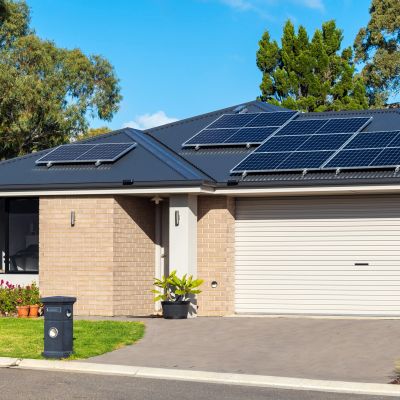
Solar PV
When combined with other building performance improvements, solar generation can help reduce household electricity costs.
Develop a Property Prioritisation Matrix
One of the most effective ways to manage a housing portfolio is through a prioritisation matrix.
Example considerations may include:
Assessment Factor Priority Indicator
Building Age Older properties
Insulation Levels Little or no insulation
Existing Equipment Ageing gas appliances
Airtightness High air leakage
Renter Vulnerability Priority renter groups
Upgrade Potential Significant improvement opportunities
This approach allows housing providers to objectively identify properties that offer the greatest opportunity for improvement.
Combine Asset Condition and Energy Performance
Many organisations already undertake condition audits to support maintenance planning.
These assessments often review:
- Roof condition
- Gutters and downpipes
- Kitchens
- Bathrooms
- Internal finishes
- Building services
While valuable, they do not always provide insight into building performance.
Combining asset condition assessments with energy performance assessments provides a more complete understanding of:
- Current building condition
- Future maintenance requirements
- Energy efficiency opportunities
- Electrification readiness
- Long-term investment priorities
Use Data to Support Funding Applications
Funding programs increasingly require organisations to demonstrate:
- Need
- Expected outcomes
- Value for money
- Energy efficiency improvements
Properties that have been assessed and prioritised using consistent methodologies often provide stronger evidence for future funding applications and investment decisions.
A Strategic Approach Delivers Better Outcomes
For community housing providers, successful upgrade programs are rarely about identifying a single upgrade.
Instead, they involve understanding:
- Current building performance
- Asset condition
- Renter needs
- Electrification opportunities
- Long-term priorities
By combining these factors, organisations can direct funding towards the properties that are most likely to deliver meaningful improvements in comfort, energy efficiency and renter outcomes.
How Geokal Services Can Help
Geokal Services provides Community Housing Upgrade Readiness Assessments throughout Victoria.
Our assessments combine:
✅ Portfolio Reviews
✅ Existing Home NatHERS Assessments
✅ Airtightness (Blower Door) Testing
✅ Property Prioritisation
✅ Upgrade Optimisation
✅ Electrification Readiness Assessments
✅ Final Summary Reporting
Helping Community Housing Organisations identify the right homes, the right upgrades and the right outcomes.